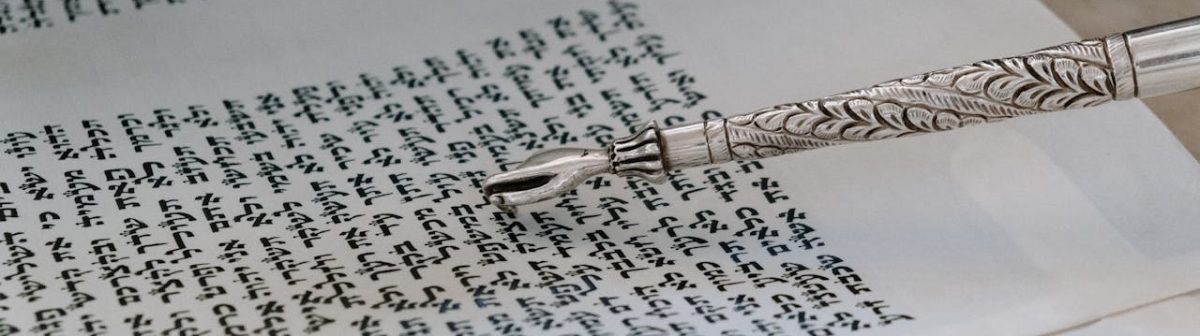
הוּא הָיָה אוֹמֵר, חָבִיב אָדָם שֶׁנִּבְרָא בְצֶלֶם.
“He (Rabbi Akiva) used to say: Beloved is man for he was created in the image [of God]”1
The above statement from the ancient Talmudic tractate “Ethics of the Fathers” expresses the uniqueness of Man relative to the other physical creatures. Various great rabbinic sages commented on the above profound statement:
“Beloved is Man, etc.: “Therefore it is incumbent upon him to do the will of his Maker.”2
“And Rabbi Akiva was speaking about all men and like the proof that he brought, which is said about the Children of Noah and not the Children of Israel alone.”3
In various narratives in the Jewish Bible, we see that God is concerned with the welfare of many nations, and not just with the welfare of the Jews. God saved Noah’s family, a non-Jewish family, because they were a righteous family. Hagar, the Egyptian maid of the Hebrew matriarch Sarah, ran away from Sarah, but an angel appeared to her in the wilderness and directed her to return to Sarah. In the Biblical Book of Jonah, the non-Jewish city of Nineveh is saved after God sent a prophet to that city to urge them to abandon their evil ways. And there are many other examples.
1 Talmud, Tractate Avot (Ethics of the Fathers) 3:14.
2 Rashi, a medieval rabbinic commentator.
3 Ikkar Tosphot Yom Tov (a commentary) on Tractate Avot 3:14
 KNOWING GOD'S PATH